


A pivotal research project by the School of Design and the Leeds Institute of Textiles and Colour (LITAC) continues to ignite conversations within the fashion sector. Prominent outlets, including Forbes, BBC News and BBC Sounds, have recently highlighted the study’s findings.
This research was conducted in partnership with environmental charity Hubbub and Primark and tested 65 men’s and women’s garments from high street, designer and online retailers. The study was led by Dr Mark Sumner (formerly the University of Leeds, now WRAP) and co-investigated by Dr Mark Taylor, Dr Yue Guo and Kate Morris at the School of Design.

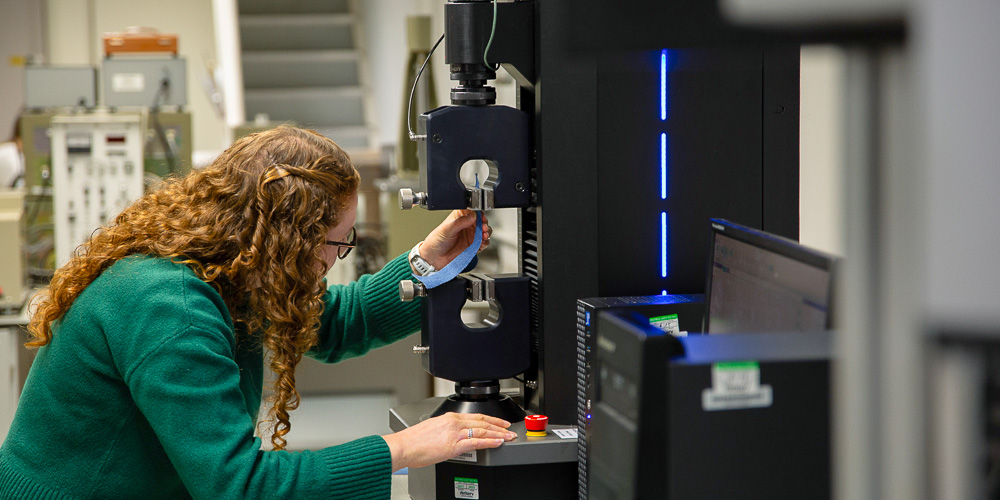
The garments, t-shirts, jeans and hoodies, were priced between £5 and £150 and underwent extensive wear and durability tests. These tests assessed textile abrasion, seam strength, shrinkage and colour fastness, delivering insightful results that challenge long-held assumptions. Explaining the testing process, Kate Morris described how the team replicated prolonged wear on garments:

We have equipment that can mimic years and years of wear and tear of garments in a matter of hours. For jeans, we focused on fabric friction and seam strength, while with hoodies, we looked at pilling — the small bobbles that form on fabric.
The Facts: Challenging the Myth of Price Equals Durability
The research dismantled the belief that higher-priced clothing guarantees superior quality and longevity. Key findings include;
- Jeans priced between £11-£30 performed comparably to those priced at £150, even ranking in the top three despite the substantial price difference of up to £120.
- T-shirts under £5 outperformed more expensive alternatives in durability tests, challenging the notion that cost reflects quality.
The study’s results challenge industry-wide assumptions about price and quality, making it clear that garments at any price point can offer lasting durability if designed and constructed with the right materials.

A Lasting Impact on Industry Practices
The implications of this research extend far beyond academia, with Primark incorporating the findings into its Primark Cares strategy, which focuses on product longevity and sustainability.
Using the study as a foundation, Primark has developed a durability framework that includes extended garment testing, ensuring that products can withstand up to 45 washes — significantly exceeding industry norms. By extending the product lifespans, Primark is contributing to reducing carbon, water and waste footprints, aligning with their science-based targets of halving emissions across the value chain by 2030, which aligns with the 2030 Agenda for Sustainable Development.
The findings from this study remain highly relevant, as evidenced by recent Forbes coverage and ongoing industry discussions. As consumers demand and regulatory push for more sustainable practices, these findings encourage both luxury and fast-fashion brands to prioritise durability over price.
Extending the lifespan of garments by just nine months can reduce their environmental impact by up to 30%, according to data from WRAP (Waste and Resources Action Programme). This underscores the critical importance of adopting longevity-focused design across the fashion industry.
Supporting Research with Real-world Impact
The School of Design’s study exemplifies how academic research can drive meaningful change, fostering sustainability and inspiring practical solutions. As a leading institute with over 150 years of history, the School of Design continues to shape the future of fashion, innovating to address real-world challenges.
The School of Design is dedicated to empowering professionals and organisations with actionable insights and sustainable solutions by connecting academic research to industry needs. The School of Design Professional Learning offers a variety of courses led by Dr Mark Taylor aimed at supporting sustainability in fashion, including:
- Sustainable Fashion and Textiles (On-Campus Course): A one-day program offering insights into sustainability in fashion through theory and case studies, equipping decision-makers to tackle challenges, navigate regulations and drive change.
- Fundamentals of Textile Fibres (Online Course): This course explores the origins, properties and applications of fibres, helping participants understand their impact on product performance and make informed sustainability choices.
Through these programmes, the School of Design bridges the gap between research and practice, enabling industry leaders to adopt innovative approaches prioritising durability, sustainability and performance. Together, we can continue shaping a more responsible and resilient fashion industry.