
Fashion, Textiles & Colour






Gain practical insight into nonwoven textiles through a two-day course combining textile science, manufacturing processes, practical demonstrations and real-world applications.
Nonwoven materials play an important role in a wide range of industries, including healthcare, interiors, automotive and hygiene. Understanding how these materials are produced, how different fibres and manufacturing processes influence their properties, and how they perform in specific applications can help you make more informed decisions about material selection, product development and manufacturing. Explore different types of nonwoven materials, discover how production processes affect their structure and performance, and gain insights into the technologies shaping the development of technical textiles.
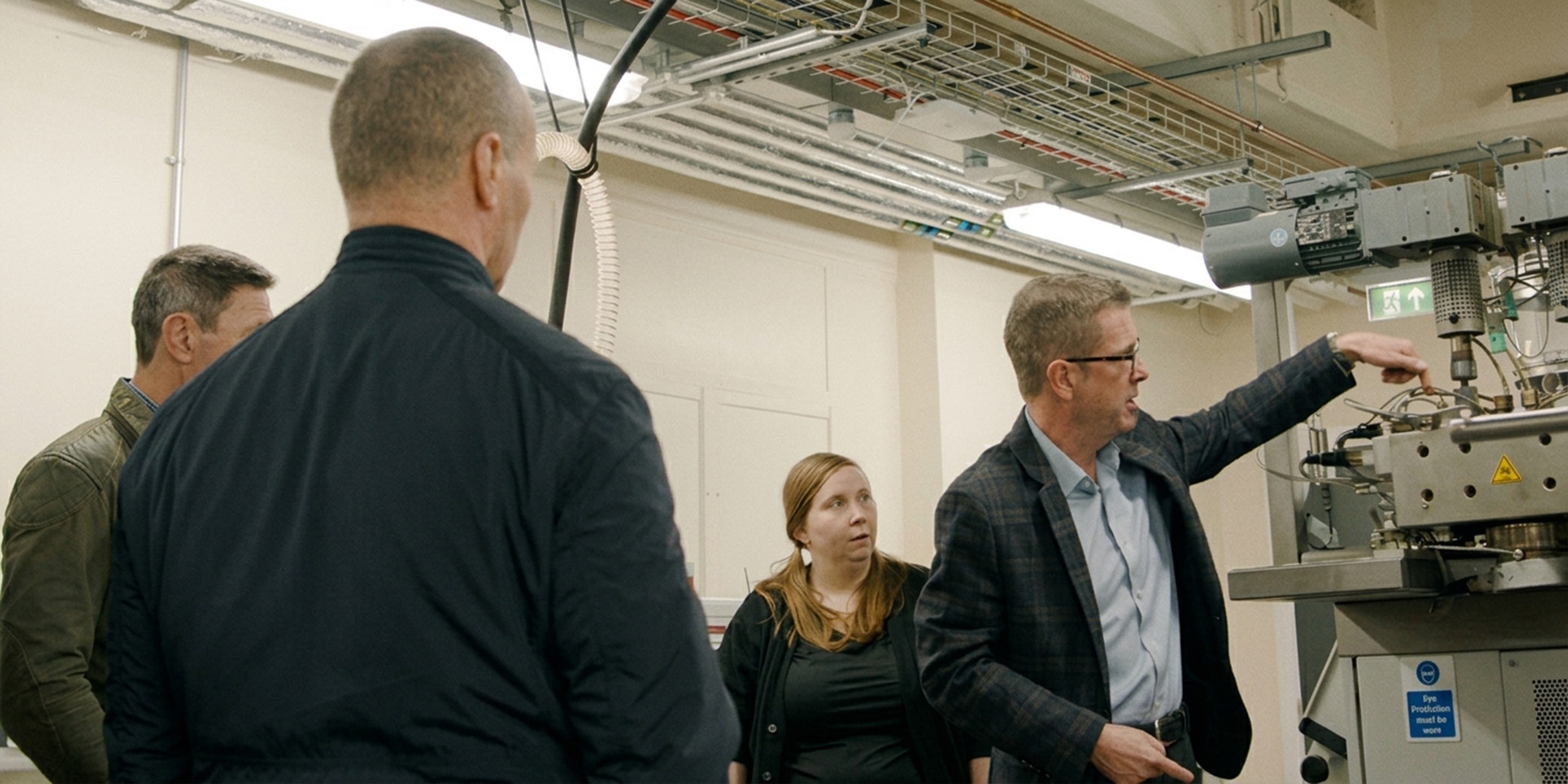
You’ll learn in a small group of up to ten participants, with plenty of opportunities for discussion, practical demonstrations and guidance as you explore nonwoven materials, manufacturing techniques, and their applications. You’ll also have the opportunity to see nonwoven machinery in action, connecting textile science and manufacturing principles with practical industry applications.
All materials and equipment required for the course are provided and included in the course fee.
Participants will also receive complimentary refreshments, including snacks, hot drinks, and light breakfast pastries, along with a food voucher redeemable at the University Union Refectory.
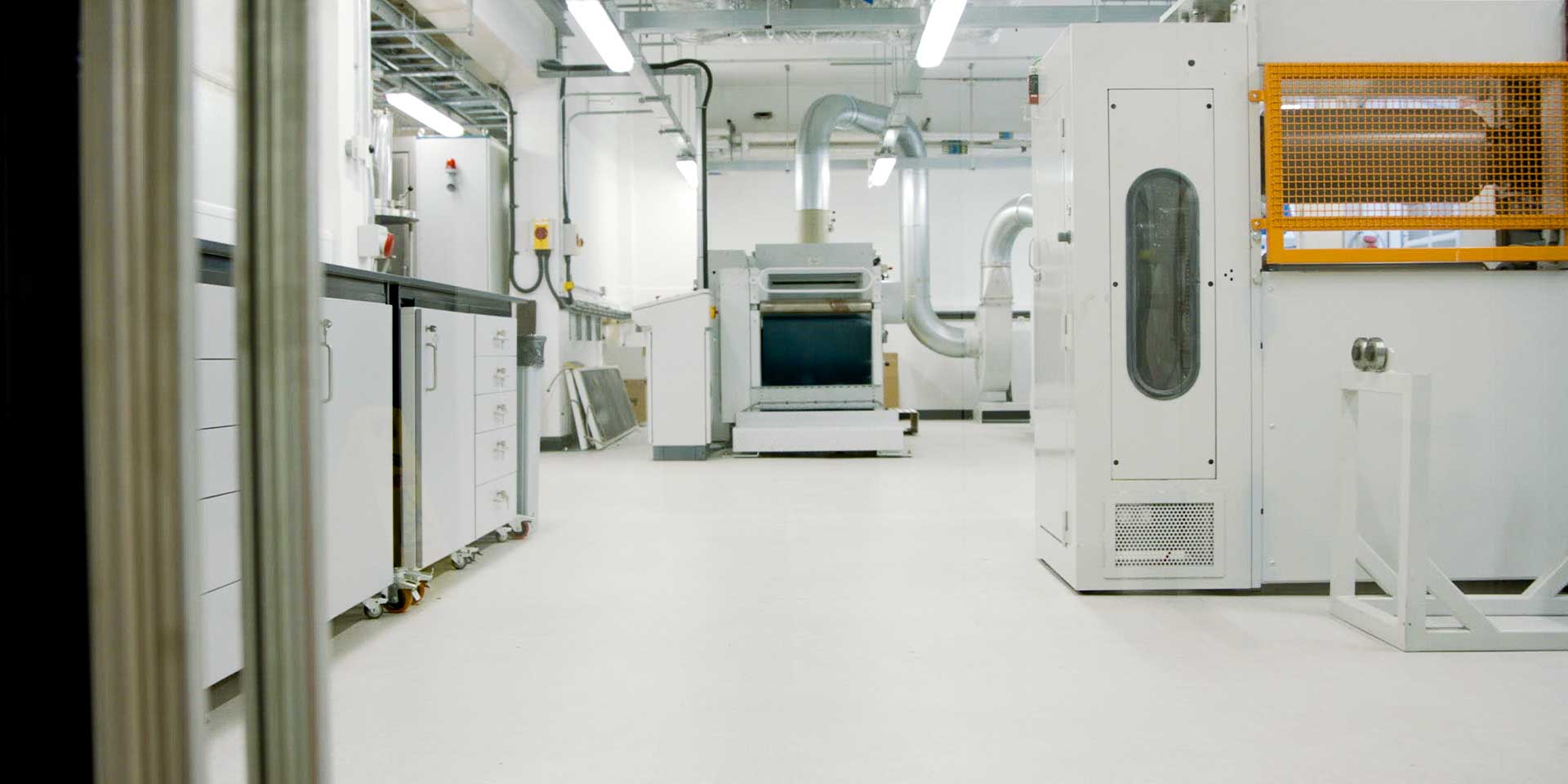
The University of Leeds is a globally recognised institution for textiles and fashion, offering access to outstanding specialist facilities in the heart of campus. These include advanced materials testing laboratories, fibre-spinning, wet-spinning and melt-spinning facilities, a dedicated nonwovens lab, and fully equipped knit and weave studios, providing opportunities to explore a wide range of textile manufacturing and testing processes.
Learning on campus offers a valuable opportunity to gain practical experience through demonstrations and hands-on activities using specialist equipment and industry-relevant techniques. You’ll learn directly from experts, deepening your understanding of nonwoven materials, manufacturing processes, fabric structures, and performance. This practical knowledge will provide valuable insights that you can apply to your own work and professional practice.

Professor of Textile Materials and Technology
Professor Stephen Russell specialises in textile materials, textile manufacturing and nonwoven technologies, with expertise in textile engineering and the relationships between manufacturing processes, material structures and performance properties. His work focuses on how textile materials are developed, engineered, and optimised for different applications, with particular emphasis on innovation, technical performance, and sustainable textile development.

Lead Technician – Fashion, Textiles & Colour
Mary Glasper specialises in textile processing, nonwoven manufacturing, textile testing and sustainable materials. Her expertise spans textile manufacturing processes, material performance, product development and textile recycling, with a particular focus on nonwoven technologies and circularity.
No courses match your filters.