Fundamentals of User Experience (UX) Design

Course information

Duration
2 Days
Format
On-Campus
Level
Introductory
Certification
University of Leeds Certificate

Upskilling your team? Enquire about group discounts

Understanding how people interact with digital products and services is essential to creating experiences that are intuitive, accessible and meet user needs. 

Creating intuitive, accessible, and engaging digital experiences is essential to attracting and retaining users across platforms. Whether you’re starting a career in UX design or looking to expand your existing digital design expertise, this course provides a practical introduction to the principles, methodologies, and techniques used to create effective, user-focused digital experiences. 

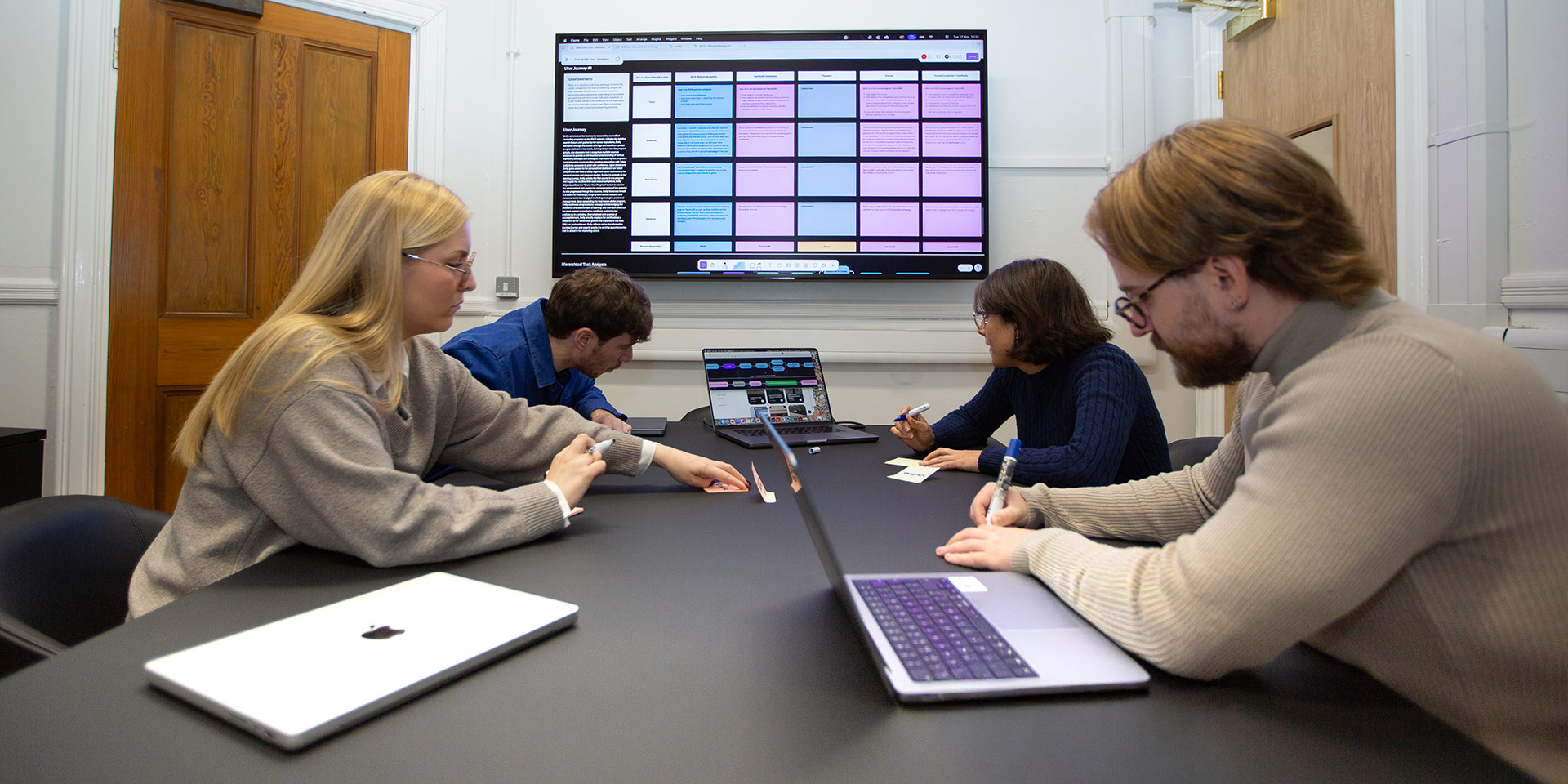
Combining theoretical knowledge with practical activities, you’ll explore key UX design principles, user research methods, wireframing, and usability testing. You’ll develop the skills and confidence to understand user needs, evaluate digital experiences, and apply user-centred design approaches to create intuitive and engaging digital solutions. 
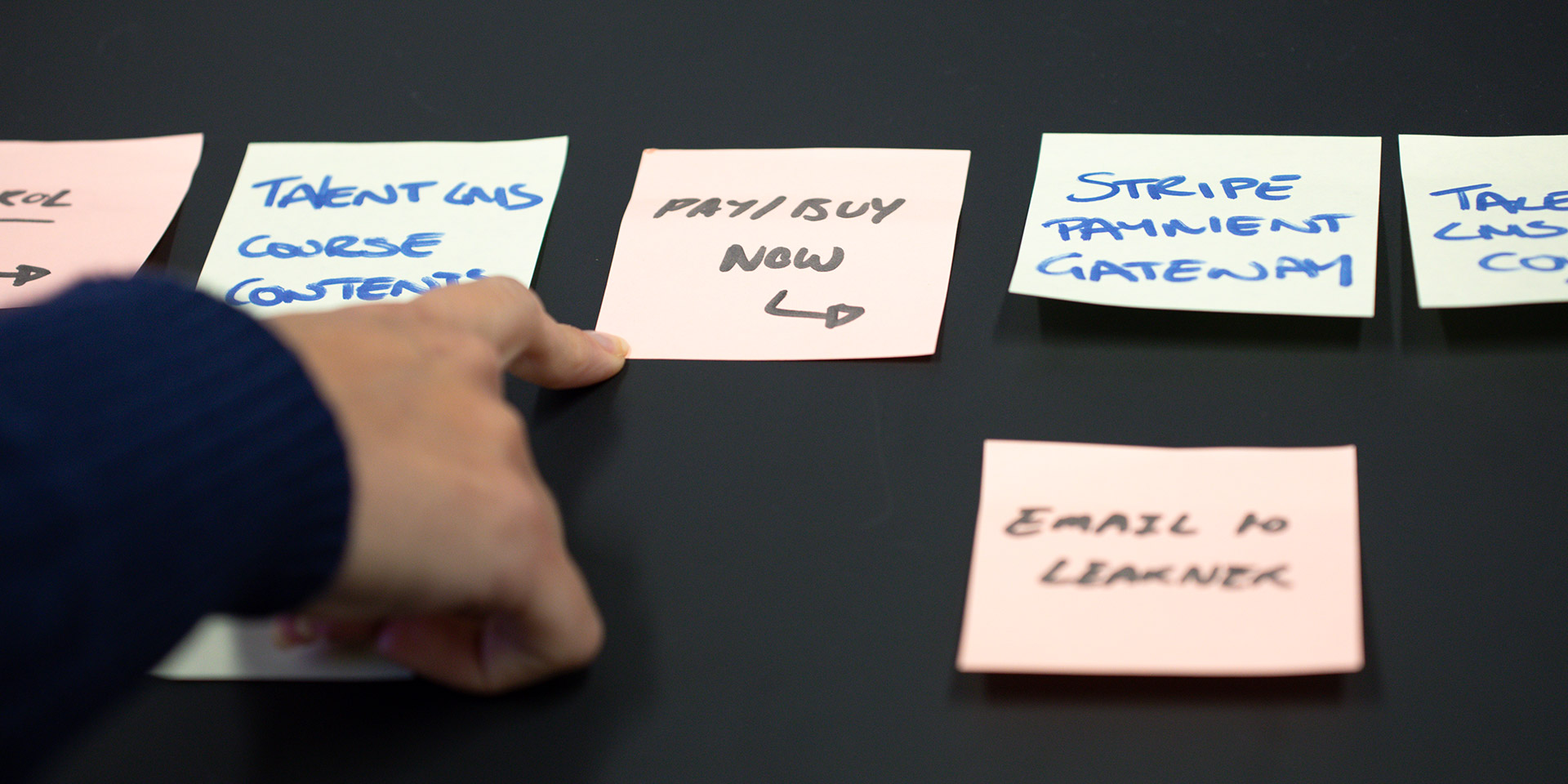
Close-up of a hand pointing to handwritten sticky notes arranged on a dark table to map a user journey, including cards labelled "Talent LMS Course Content," "Pay/Buy Now" with an arrow, "Stripe Payment Gateway," and "Email to Learner".

What Does the Course Cover?

  • The fundamental principles of UX design, including the UX Honeycomb, Elements of UX, and key interaction design principles. 
  • The essential characteristics of effective UX design and how they contribute to creating intuitive, accessible, and user-friendly digital experiences. 
  • Common user research methods, including how to prepare effective interview questions, conduct user interviews, and gather meaningful insights. 
  • The principles of user personas and thematic analysis, including how to interpret research findings and develop a deeper understanding of user needs and behaviours. 
  • How to create user journey maps and apply information architecture principles to organise content and develop intuitive digital platforms. 
  • The fundamentals of low-fidelity (lo-fi) wireframing and how to visualise and communicate initial design concepts. 
  • The principles of usability testing and interactive design, including how to evaluate, test, and refine digital experiences based on user feedback. 

What Skills Will You Gain?

  • A solid understanding of UX design principles, key methodologies, and their practical applications in digital design. 
  • The ability to recognise and apply the principles of effective UX design to create intuitive, accessible, and user-friendly digital experiences. 
  • Greater confidence in conducting user research, analysing findings, and applying user insights to inform design decisions. 
  • Practical experience in developing user personas, mapping user journeys, organising information, and creating low-fidelity wireframes. 
  • An understanding of usability testing and interactive design techniques to evaluate and improve the overall user experience. 
  • Enhanced creative problem-solving and critical thinking skills to identify design challenges and develop effective, user-focused solutions. 
  • A strong foundation in industry-relevant UX design techniques and methodologies to support further learning and professional development. 

Who Is This Course For?

This course is suitable for beginners looking to develop an understanding of UX design, as well as professionals seeking to expand their digital design knowledge and practical skills. 

  • Beginners and aspiring UX designers looking to build foundational knowledge and explore opportunities in user experience design. 
  • Digital designers seeking to strengthen their understanding of UX principles and incorporate user-centred approaches into their design work. 
  • Marketing, advertising, and web development professionals looking to understand how user experience influences digital engagement and customer interactions. 
  • Professionals involved in digital products, services, and content who want to develop their knowledge of usability, interaction design, and user research. 
  • Individuals looking to strengthen their creative problem-solving skills and develop practical techniques for creating more effective digital experiences. 

Please bring a laptop with you. All other materials and equipment required for the course are provided and included in the course fee.   

Participants will also receive complimentary refreshments, including snacks, hot drinks and light breakfast pastries, along with a lunch voucher redeemable at the University Union Refectory. 

The University of Leeds is a globally recognised university with a strong reputation for research, innovation and industry engagement. You will learn from experienced tutors in an academic environment that brings together different perspectives, ideas and approaches to digital design. 

Learning on campus lets you put UX design principles into practice through interactive exercises, group discussions and hands-on activities. You’ll explore practical design examples alongside other participants, sharing ideas and receiving real-time guidance. 

Dr. Pinar Yelmi
Dr. Pinar Yelmi

Lecturer in Digital and Interactive Design

Dr Pinar Yelmi specialises in design thinking, interaction design and visual communication, with expertise in human-centred and participatory approaches to digital and interactive design. Her work explores the intersection of technology, culture and design, focusing on interactive experiences, storytelling, data visualisation and sensory studies.

Drawing on more than a decade of international academic and industry collaboration, Dr Yelmi has collaborated with cultural institutions and taught across undergraduate and postgraduate programmes in Turkey and the UK. Her research explores cultural heritage, museums and soundscapes, bringing multidisciplinary perspectives to contemporary design practice. She applies digital and interactive design approaches through hands-on projects and workshops, supporting creativity, innovation and collaborative design practice.

Necessary cookies are always on. Analytics cookies are always on to help us understand how the website is used. Marketing and embedded media are optional. Cookie policy